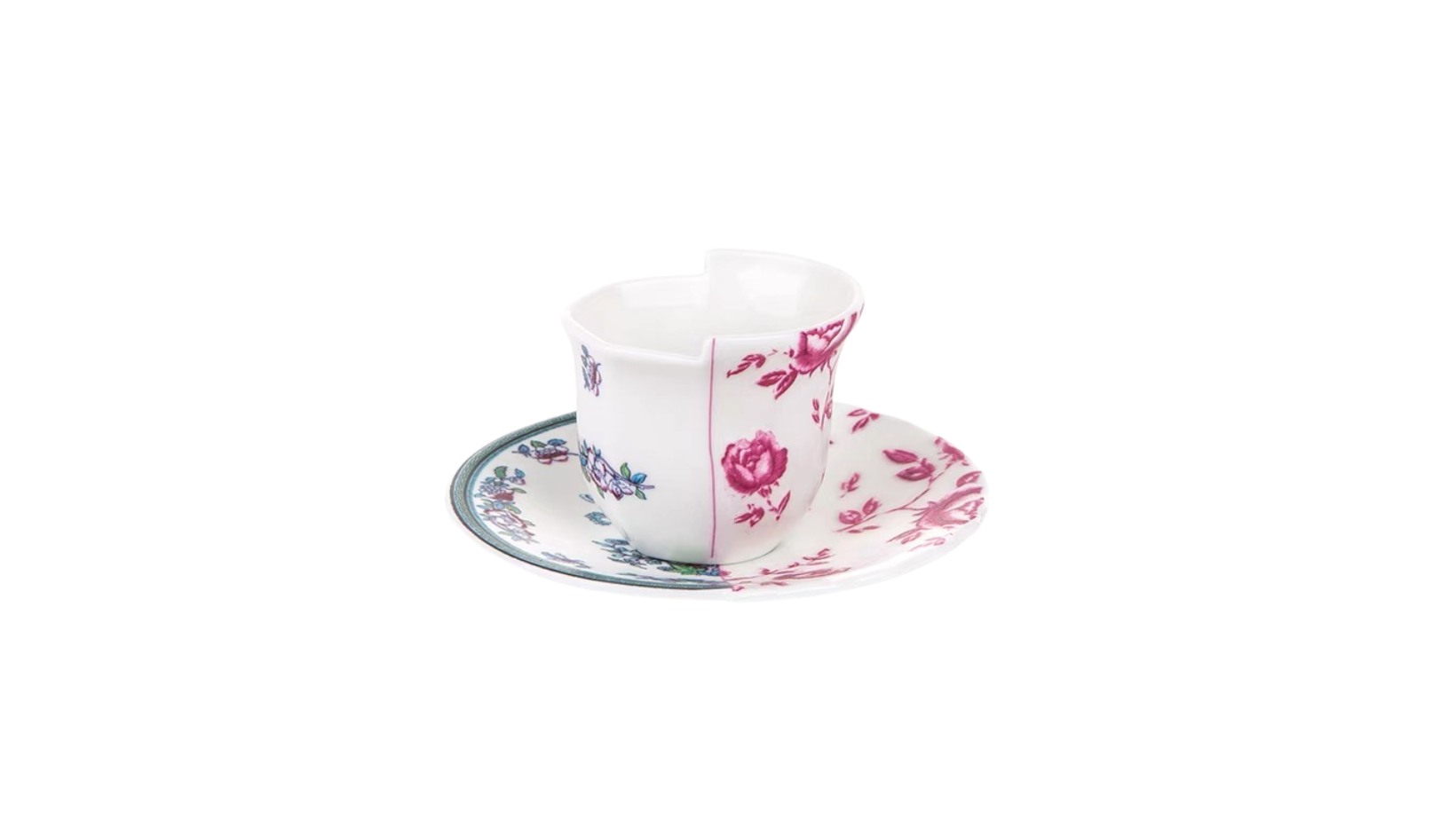
Bemuseddecor is an online store for Asian art, decor and ceramics. Our items are available on selected online sites as well as our very own website. This started as a passion project, and we are extremely fortunate to be able to work on something we enjoy.
Some of our collections were also honored to be featured in San Francisco Asian Art Museum Exhibition and the San Francisco Chronicles. Thank you for the visit, likes on various social media and support on our humble store. This means a lot for us.
Most of the items in our stores are new pieces and sometimes you may find some vintages pieces and at times you may also stumble upon a curious word or two and we hope this section will help: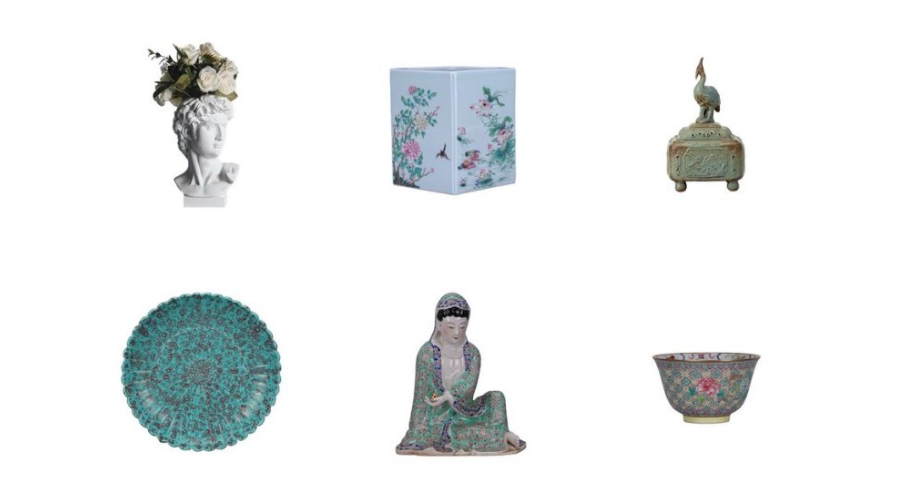
Antique: In our humble opinion, a piece had to be made before 1840 to be considered an antique. This date roughly represents the beginning of mass produced machine made objects. Later an antique was anything over 100 years old. Now the term is used very broadly to include very nearly anything with some age. (For us, Vintage is at least 30 years old and of a certain quality.)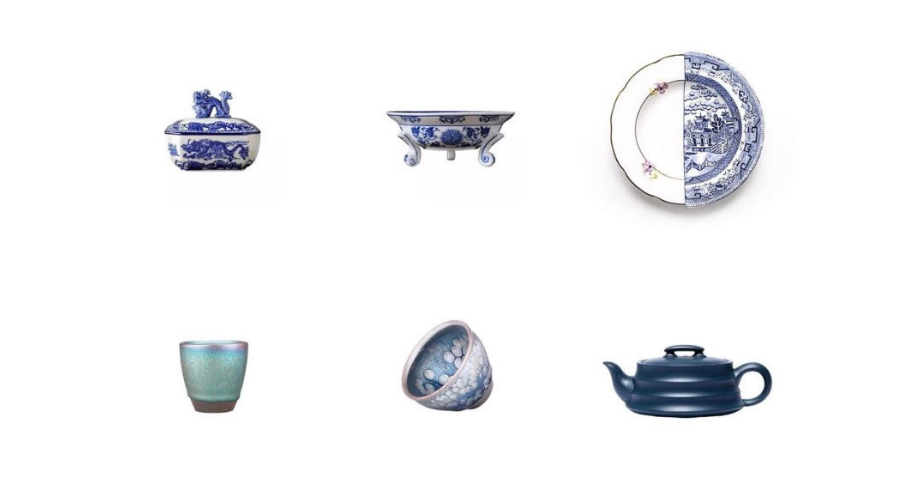
Blue & White: Originally invented in China, blue-and-white ceramics were widely circulated, copied and re-created by makers worldwide, becoming one of the most well-known and enduring products in the history of Chinese porcelain. Broadly speaking, blue-and-white refers to ceramics decorated with cobalt blue pigment on a white body, usually applied with a brush under the glaze. First appearing in the Tang dynasty (618 – 906), early blue-and-white ceramics were made with a coarse, greyish body. In the Yuan dynasty (1279 –1368), potters at Jingdezhen in Jiangxi province, a famous China porcelain town, refined clay recipes by adding kaolin clay, and developed firing technology. The craftsmanship of blue-and-white porcelain improved significantly, with products featuring vibrant blue colours using cobalt pigment produced in Yunnan province or imported from the Middle East. Blue-and-white wares are produced elsewhere in China, though objects originating from the kilns at Jingdezhen are thought to be the best quality. Using the simple palette of blue and white, Jingdezhen potters incorporate a range of decorative techniques: combining dark and light blue to create striking contrast, or using areas reserved in white to create pattern on a densely painted blue background.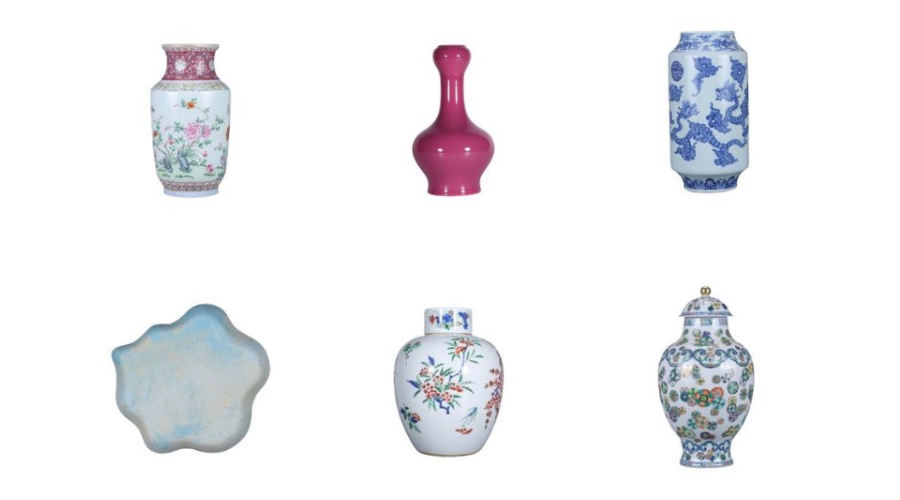
Caddy: A tea caddy is a box, jar, canister, or other receptacle used to store tea. When first introduced to Europe from Asia, tea was extremely expensive, and kept under lock and key. The containers used were often expensive and decorative, to fit in with the rest of a drawing-room or other reception room. Hot water was carried up from the kitchen, and the tea made. The word is believed to be derived from catty, the Chinese pound, equal to about a pound and a third avoirdupois. The earliest examples that came to Europe were of Chinese porcelain, and similar in shape to the ginger-jar. They had Chinese-style lids or stoppers, and were most frequently blue and white. Until about 1800, they were called tea canisters.
Period: This indicates the object was made during the period it was first designed. It is purported to be an original and in theory more valuable than a later copy.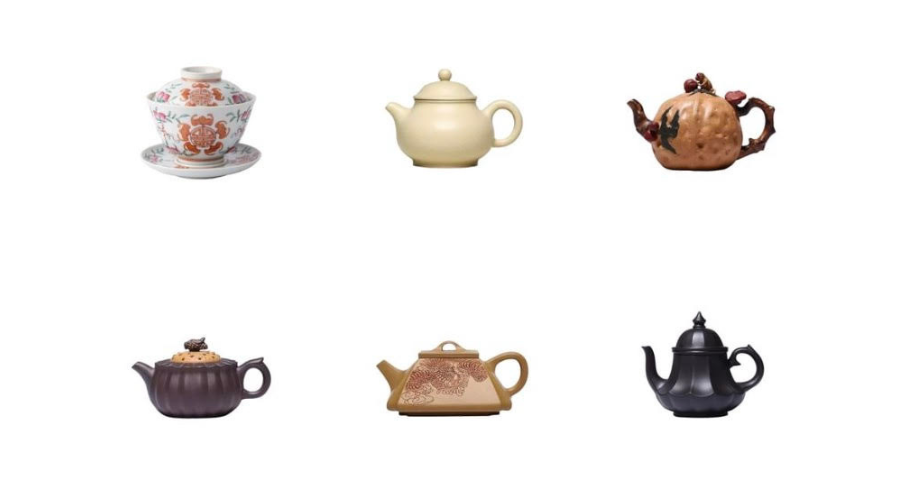
Purple Clay Teapots: They are produced in Yixing, China from "purple" clay. This rare clay is mined near Taihu Lake, a hundred miles northwest of Shanghai. Purple clay mine was formed 3.5 hundred millions years ago, in the geological age of Paleozoic Devonian. In China, purple clay has been developed and used for more than a thousand years. Purple clay (zisha) has the reputation of being a high quality clay because of its fine texture and porous nature, as well as being easy to mould. They became popular during the Ming Dynasty gradually replacing porcelain china. The various types of clay in the purple clay group contain different quantities of oxidised iron. As a result they produce different colours after being fired at various temperatures during the production process. Teapots made from zisha are highly valued. The wonderful porous quality of the clay is perfect for retaining the tea's flavour. An excellent, well nurtured zisha teapot is full of the tea's essence after it has been used for a long time, to the extent that old pots are known for its ability to produce tea just from adding hot water. Zisha teapots are also durable and can sustain high temperature change.